ออกกำลังกายเฉพาะจุด แก้อาการออฟฟิศซินโดรม

คนส่วนใหญ่ใช้เวลากว่า 1 ใน 3 ของวันไปกับการนั่งทำงานอยู่ในออฟฟิศกับอิริยาบทซ้ำ ๆ ไม่ว่าจะเป็นการนั่งพิมพ์คอมพิวเตอร์ การนั่งประชุมยาว ๆ หรือการทำงานอย่างใดอย่างหนึ่งด้วยท่าทางซ้ำๆ หรือหากได้ร่างกายได้มีการใช้กล้ามเนื้อมัดเดิมซ้ำ ๆ ต่อเนื่องเป็นเวลานาน จนทำให้ร่างกายเกิดอาการปวดเมื่อยอยู่เสมอ นั่นทำให้ร่างกายเริ่มเกิดอาการที่เรียกว่า ออฟฟิศซินโดรม (Office Syndrome)
ซึ่งอาการความผิดปกติเหล่านี้ อาจจะส่งผลต่อสุขภาพโดยรวมในระยะยาว อีกทั้งการขาดการเคลื่อนไหว ยังนำไปสู่ โรคอ้วน และโรคไม่ติดต่อเรื้อรังต่าง ๆ ที่เราเรียกว่า NCDs หรือ Non-Communicable Diseases
เราสามารถสังเกตอาการผิดปกติของระบบกระดูกและกล้ามเนื้อของตัวเอง เช่น
- เส้นตึง ปวดเมื่อย โดยมักจะเกิดที่บริเวณคอ บ่า ไหล่ และหลังส่วนล่าง
- ปวดคอ แล้วลามไปปวดศรีษะ ลักษณะคล้ายๆ ปวดไมเกรน หรือปวดศีรษะข้างเดียว
- เคยมีอาการชา ลงปลายมือ ปลายเท้า เป็น ๆ หาย ๆ
ข้อแนะนำในการออกกำลังกายสำหรับผู้ที่มีอาการออฟฟิศซินโดรม
การออกกำลังกายเพื่อบำบัดอาการออฟฟิศซินโดรมนั้นควรมีผู้ชำนาญการเฉพาะทาง เช่น แพทย์ เทรนเนอร์ หรือนักกายภาพบำบัด เพื่อให้คำแนะนำ พร้อมด้วยเครื่องมือการออกกำลังกายที่เหมาะสมเฉพาะบุคคล
เพราะหากเราออกกำลังกายหรือเคลื่อนไหวร่างกายในท่าที่ไม่ถูกต้องเหมาะสม จะทำให้ร่างกายเกิดการบาดเจ็บ และเกิดการอักเสบมากขึ้นกว่าเดิม สำหรับผู้ที่มีอาการผิดปกติของระบบกระดูกและกล้ามเนื้อ
การออกกำลังกายที่เหมาะสมเฉพาะจุด เช่น บริเวณ คอ บ่า ไหล่ และหลังส่วนล่าง ซึ่งเป็นอาการส่วนใหญ่ของออฟฟิศซินโดรม จึงเป็นการเพิ่มความแข็งแรงและความยืดหยุ่นให้กับกล้ามเนื้อและข้อต่อบริเวณนั้น ๆ เช่น
- การออกกำลังกายที่สร้างความแข็งแรงให้กับกล้ามเนื้อช่วงคอ หรือที่เรียกว่า Cervical Rotation เพื่อเสริมสร้างกล้ามเนื้อที่ช่วยในการหมุนคอ และพยุงโครงสร้างของกระดูกคอ เมื่อกล้ามเนื้อบริเวณคอแข็งแรงจะป้องกันการเกิดอาการบาดเจ็บจากการยกของเหนือศีรษะได้
- การออกกำลังกายที่สร้างความแข็งแรงให้กล้ามเนื้อช่วงอกและลำตัวที่ใช้ในการหมุนลำตัว หรือที่เรียกว่า Lumbar or Thoracic Rotation เป็นกลุ่มกล้ามเนื้อที่ช่วยพยุงร่างกายเมื่อหมุนลำตัว
- การออกกำลังกายที่สร้างความแข็งแรงให้กล้ามเนื้อช่วงอกและลำตัวที่ใช้ในการก้มและเงย หรือที่เรียกว่า Lumbar or Thoracic Flexion เป็นกลุ่มกล้ามเนื้อที่เรียงตัวกันบริเวณหน้าท้อง ช่วยสร้างเสถียรภาพให้กับลำตัวในการเคลื่อนไหว ซึ่งกล้ามเนื้อส่วนนี้หากแข็งแรง จะช่วยลดอาการปวดหลังได้เป็นอย่างดี
- การออกกำลังกายที่สร้างความแข็งแรงให้กล้ามเนื้อช่วงอกและลำตัวที่ใช้ในการเอียงตัวไปด้านข้าง หรือที่เรียกว่า Lumbar or Thoracic Lateral Flexion ซึ่งเป็นกลุ่มกล้ามเนื้อที่พยุงลำตัวเมื่อเกิดการเคลื่อนไหว
เมื่อเราออกกำลังกายให้ร่างกายแข็งแรงแล้ว จะช่วยลดการบาดเจ็บที่จะเกิดขึ้นกับกระดูกสันหลัง เพราะหากกล้ามเนื้อไม่แข็งแรงกระดูกสันหลังจะขาดแรงพยุงจากกล้ามเนื้อและทำให้เกิดการบาดเจ็บ เช่น อาการหมอนรองกระดูกทับเส้นประสาท
นอกจากการออกกำลังกาย วิธีที่ดีที่สุดที่จะช่วยป้องกันอาการ Office Syndrome ก็คือการปรับเปลี่ยนพฤติกรรม ในการทำงาน และการปรับอิริยาบถในการทำงานให้ถูกต้อง เช่น
- ปรับระดับของโต๊ะทำงาน และเก้าอี้ทำงานให้เหมาะสม
- ปรับท่าทางการนั่งให้ถูกต้อง ให้จอคอมพิวเตอร์อยู่ในระดับสายตา ไม่ก้ม หรือเงยมากเกินไป ไม่ยกหัวไหล่ และนั่งหลังตรง
- ควรลุกขึ้นมายืดเส้นยืดสายทุก ๆ สองชั่วโมง เพื่อให้ร่างกายได้เคลื่อนไหว และลดอาการปวดเกร็งของกล้ามเนื้อ
เริ่มปรับพฤติกรรมในการใช้ชีวิต เริ่มออกกำลังกายอย่างถูกต้องและปรับสภาพแวดล้อมของออฟฟิศรอบตัวของเรา ตั้งแต่วันนี้ เพื่อสุขภาพที่ดีขึ้น และมีชีวิตยืนยาวอย่างมีคุณภาพ
ด้วยความปรารถนาดี จาก BDMS Wellness Clinic
โทร: 028269999
LINE: @bdmswellnessclinic
Recommended Packages & Promotions
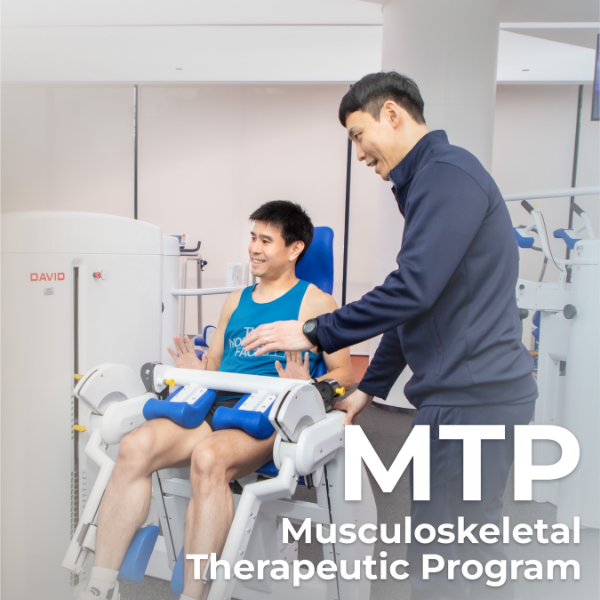
 คลินิกสร้างเสริมและฟื้นฟูระบบกล้ามเนื้อและกระดูก
ฟื้นฟูสุขภาพ ป้องกันออฟฟิศซินโดรม ด้วยโปรแกรมออกกำลังกายเฉพาะบุคคล โดยทีมแพทย์ผู้เชี่ยวชาญ...