

 Appointment
For good kidney health, start protecting yourself and start reducing salt.
For Thailand The main behavior of most Thai people that can cause chronic kidney disease is eating salty food
The well-known salinity comes from salt. Salt is a chemical compound called sodium chloride (40 percent sodium and 60 percent chloride by weight) Sodium controls the balance of fluids in the body. Maintains blood pressure and helps in the functioning of nerves and muscles. (Including the heart muscle) Sodium is found in almost every type of food, such as natural food. Various condiments, processed foods, including frozen ready-made foods and semi-instant foods.
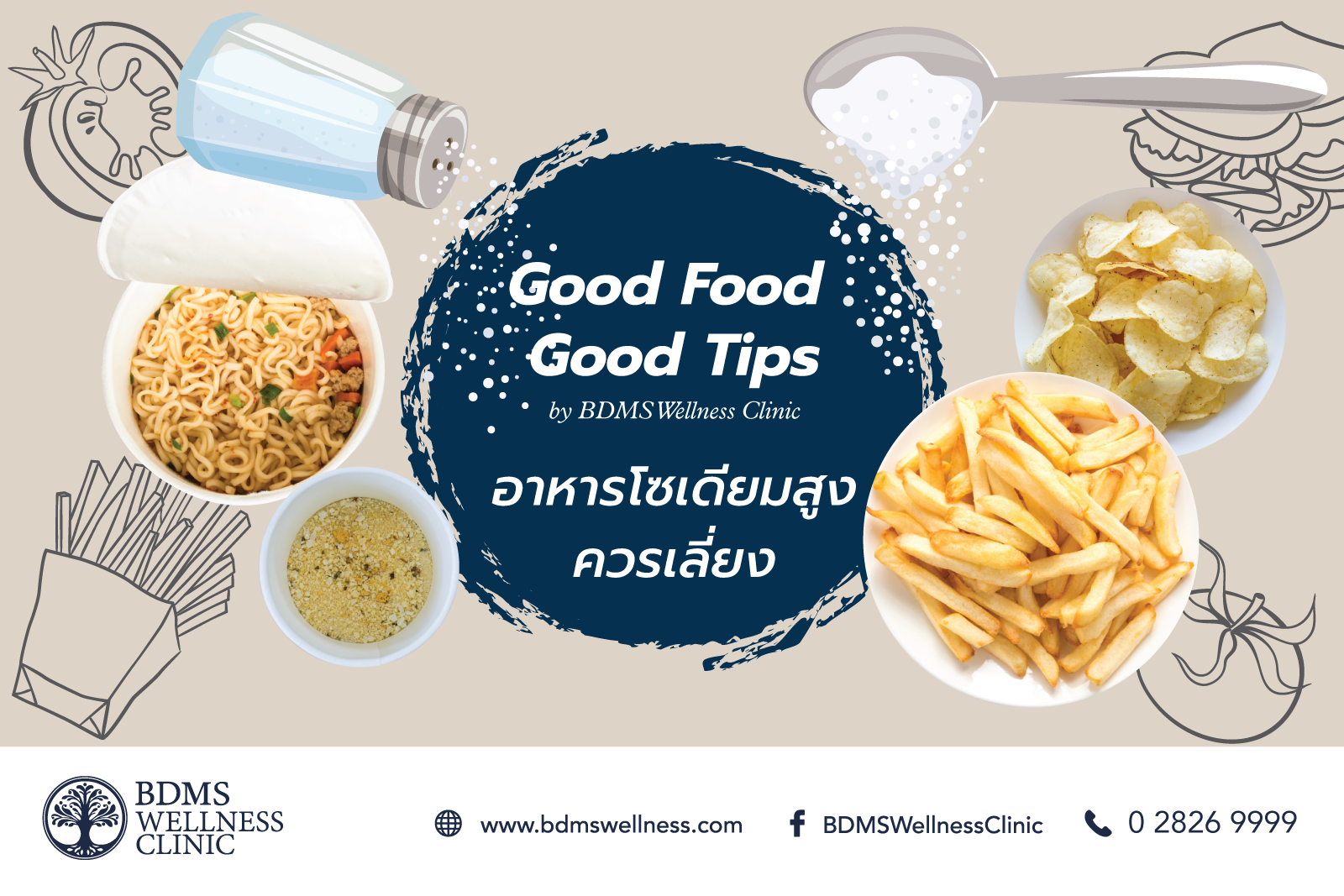
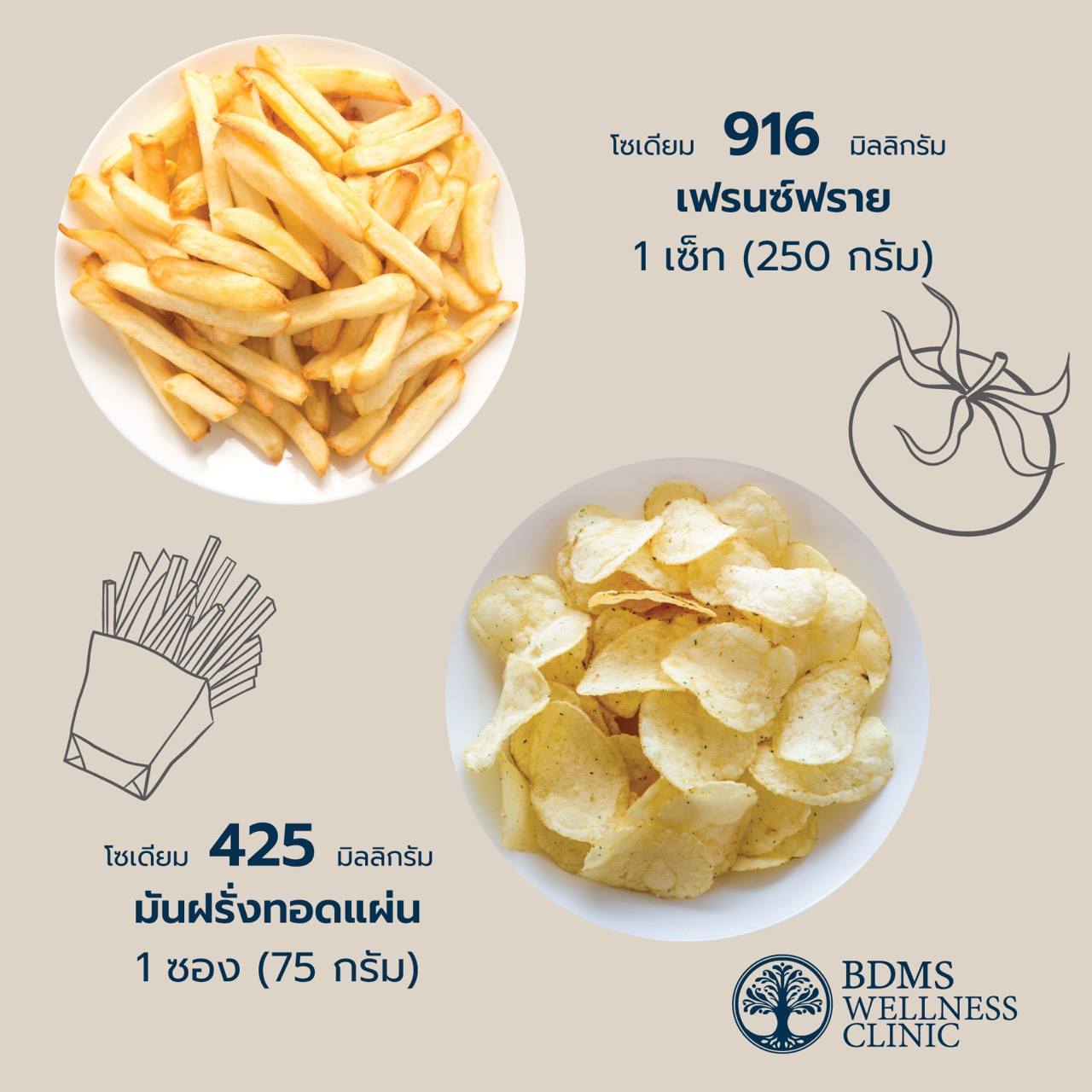
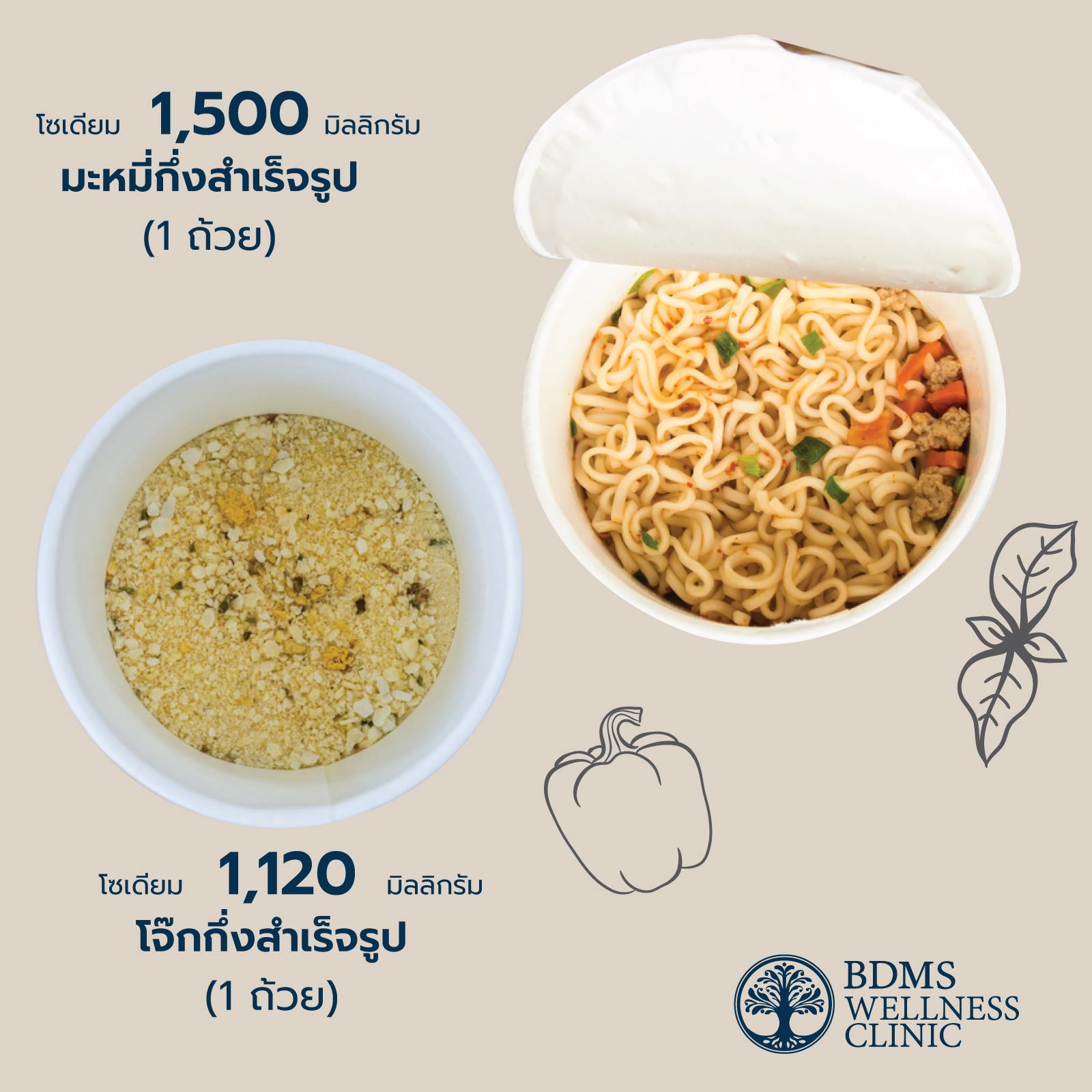
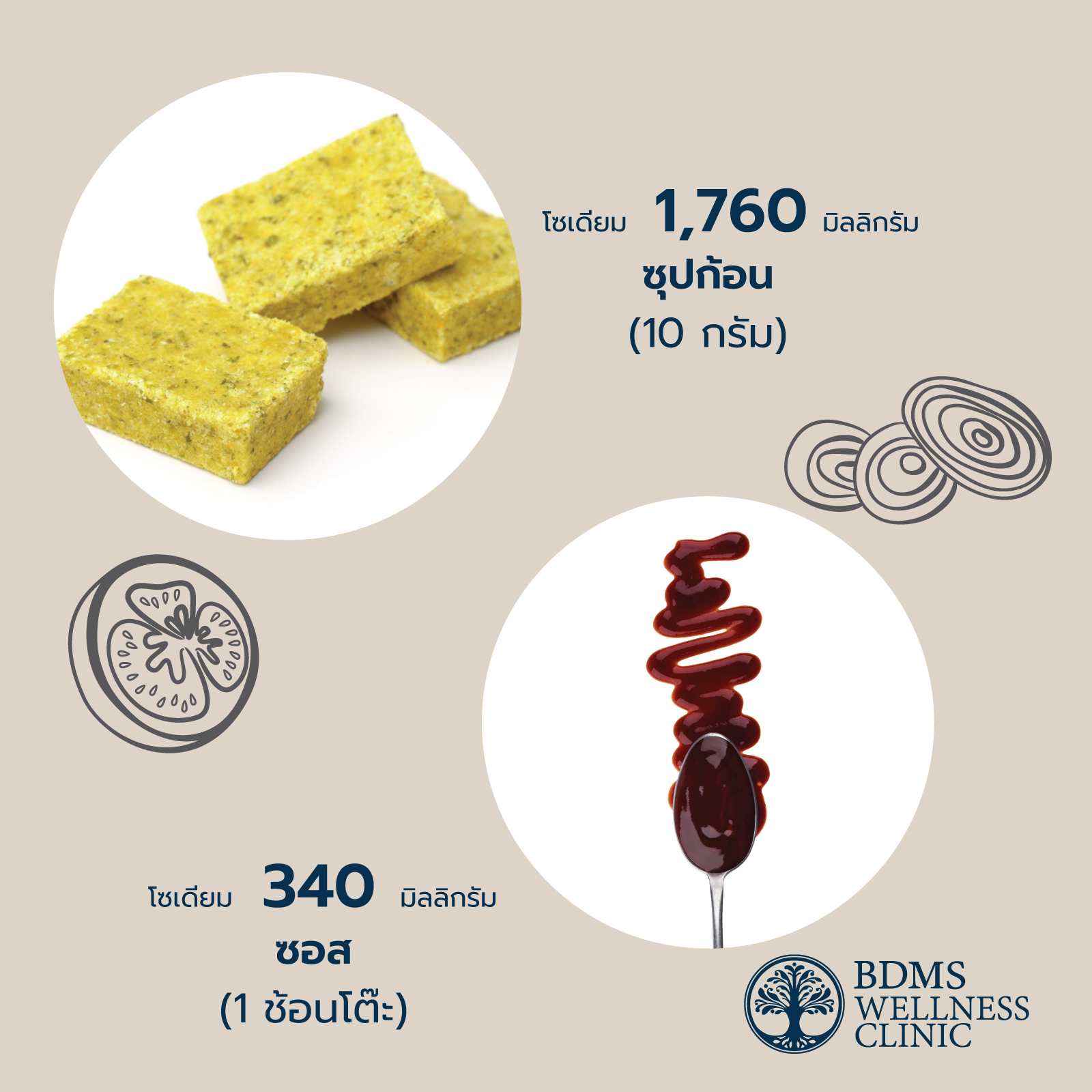
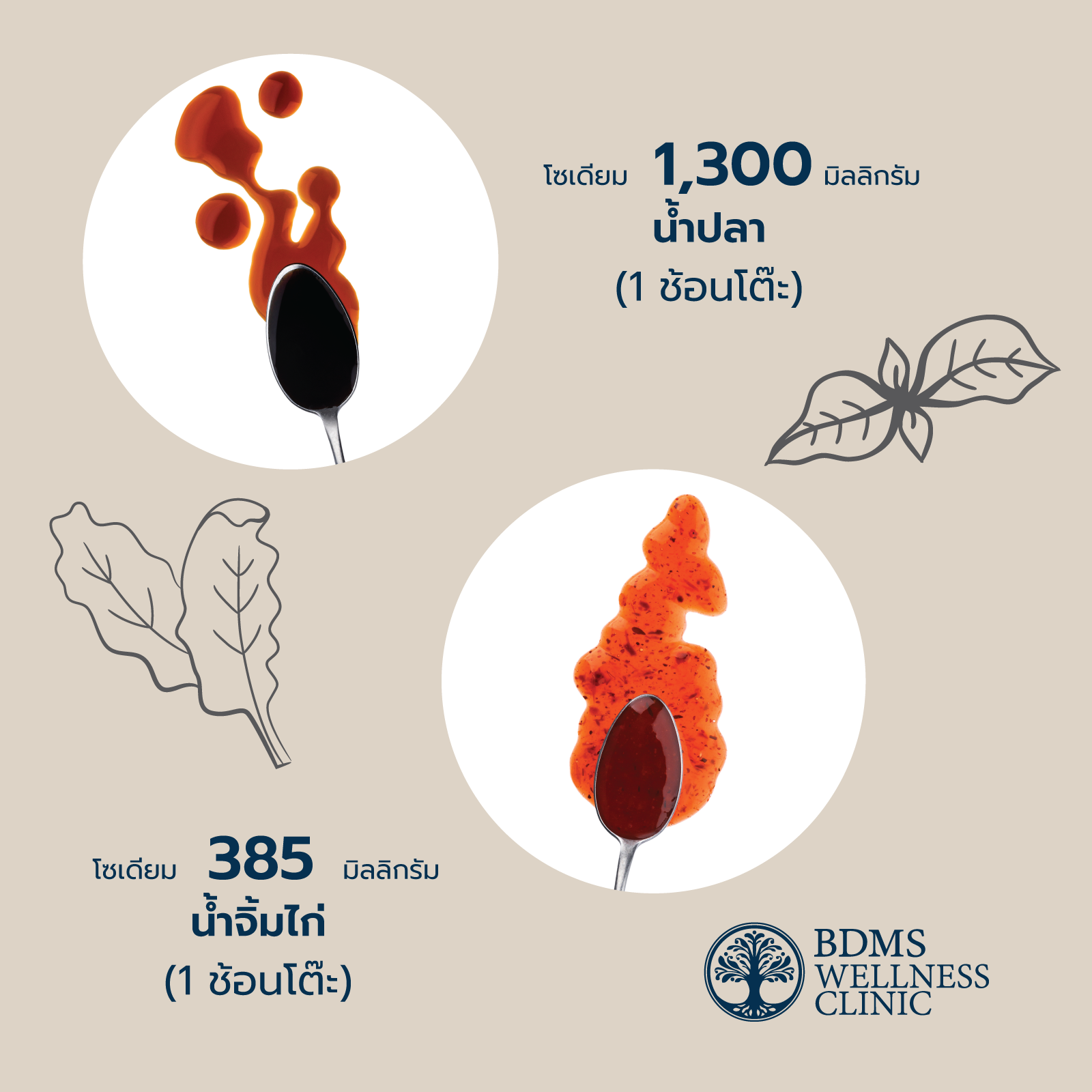
The amount of sodium recommended by the World Health Organization is
Shouldn't exceed 1 teaspoon per day, or equivalent to 2,000 milligrams of sodium.
For the elderly Diabetes and high blood pressure patients should reduce to only 3 parts 4 teaspoons per day or no more than 1,500 milligrams.
Eating too much salt and salt. It can cause many diseases such as high blood pressure, kidney disease, heart disease and blood vessels. Ischemic stroke Cerebral hemorrhage Causes paralysis, paralysis, and risks osteoporosis. Stomach cancer, etc.
Therefore, on Thursday, the 2nd week of March every year, it is a day that the International Federation of Kidney Foundation and the International Society of Nephrology have designated asWorld Kidney Day (World Kidney Day) to recognize the importance of kidney health care
Your Health You Change
Reference
- Department of Health Ministry of Public Health. (2019). Simple ways to reduce saltiness. [Internet]. Retrieved on 4 March 2020 from https://www.thaihealth.or.th/Content/47718-Difference between salt and sodium.html
- Department of Health Ministry of Public Health. (2020). Reduce salt intake and stop the risk of disease. Retrieved on 4 March 2020]. From http://healthydee.moph.go.th/view_article.php?id=590
- Office of the Thai Health Promotion Foundation (Thai Health Promotion Foundation). (2019). Difference between salt and sodium. Retrieved on 4 March 2020]. From https://www.thaihealth.or.th/Content/47718-Difference between salt and sodium.html
- Kidney Disease Center Siriraj Hospital Piyamaharajakarun. (2019). Kidney disease, a danger hidden in salinity (Kidney Disease). Retrieved on 4 March 2020]. From http://www.siphhospital.com/th/news/article/share/401