คอเลสเตอรอล ภัยร้ายต่อร่างกาย

คอเลสเตอรอลเป็นไขมันประเภทหนึ่ง ที่จำเป็นต่อร่างกายในการสร้างเซลล์ รวมถึงการผลิตวิตามิน ฮอร์โมน และสารต่าง ๆ ออกมาใช้ โดยปกติร่างกายสามารถสร้างคอเลสเตอรอลที่ต้องการใช้ได้เองจากตับ และมาจากอาหารที่เรารับประทานเข้าไปทุกวัน แม้ว่าคอเลสเตอรอลจะเป็นสิ่งที่จำเป็นสำหรับร่างกาย แต่การมีคอเลสเตอรอลมากไปก็อาจกลายมาเป็นตัวการที่ทำร้ายสุขภาพของเราได้
คอเลสเตอรอลมีทั้ง คอเลสเตอรอลชนิดดี (HDL Cholesterol) และ คอเลสเตอรอลชนิดไม่ดี (LDL Cholesterol) คอเลสเตอรอลชนิดดี ตัวนี้จะช่วยลดความเสี่ยงต่อโรคหัวใจและหลอดเลือดสมอง เพราะคอเลสเตอรอลชนิดดีจะช่วยพาไขมันอันตราย ในหลอดเลือดกลับไปที่ตับเพื่อขจัด ส่งผลให้ระดับคอเลสเตอรอลโดยรวมลดลง
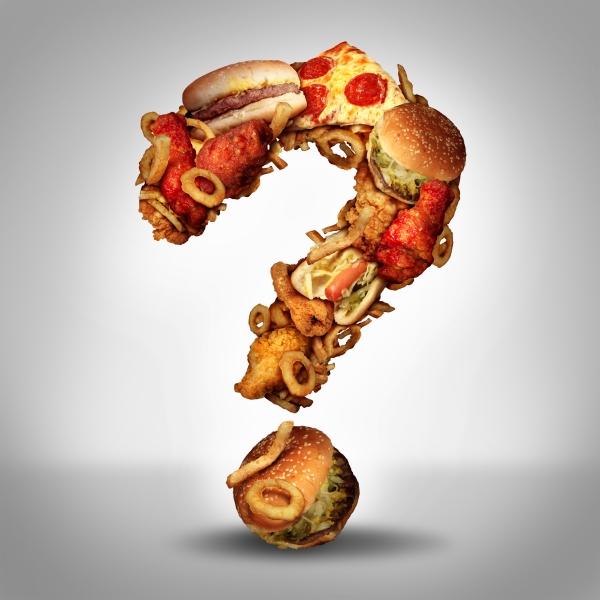
ส่วนที่ต้องระวัง คือ คอเลสเตอรอลชนิดไม่ดี เพราะเป็นคอเลสเตอรอลที่ก่อให้เกิดการสะสมของไขมันตามผนังหลอดเลือดจนเกิดการอุดตัน เป็นสาเหตุให้เกิดโรคเรื้อรังแบบไม่ติดต่อ เช่น ความดันโลหิตสูง และเพิ่มความเสี่ยงของโรคหัวใจได้ โดยเราสามารถหลีกเลี่ยงได้โดยการจำกัดปริมาณอาหารที่มีไขมันอิ่มตัวและไขมันทรานส์ เช่น
- เนื้อสัตว์ติดมัน เนื้อแดง เช่น เนื้อหมู เนื้อวัว เนื้อแกะ รวมถึงน้ำมันหมู เป็นต้น
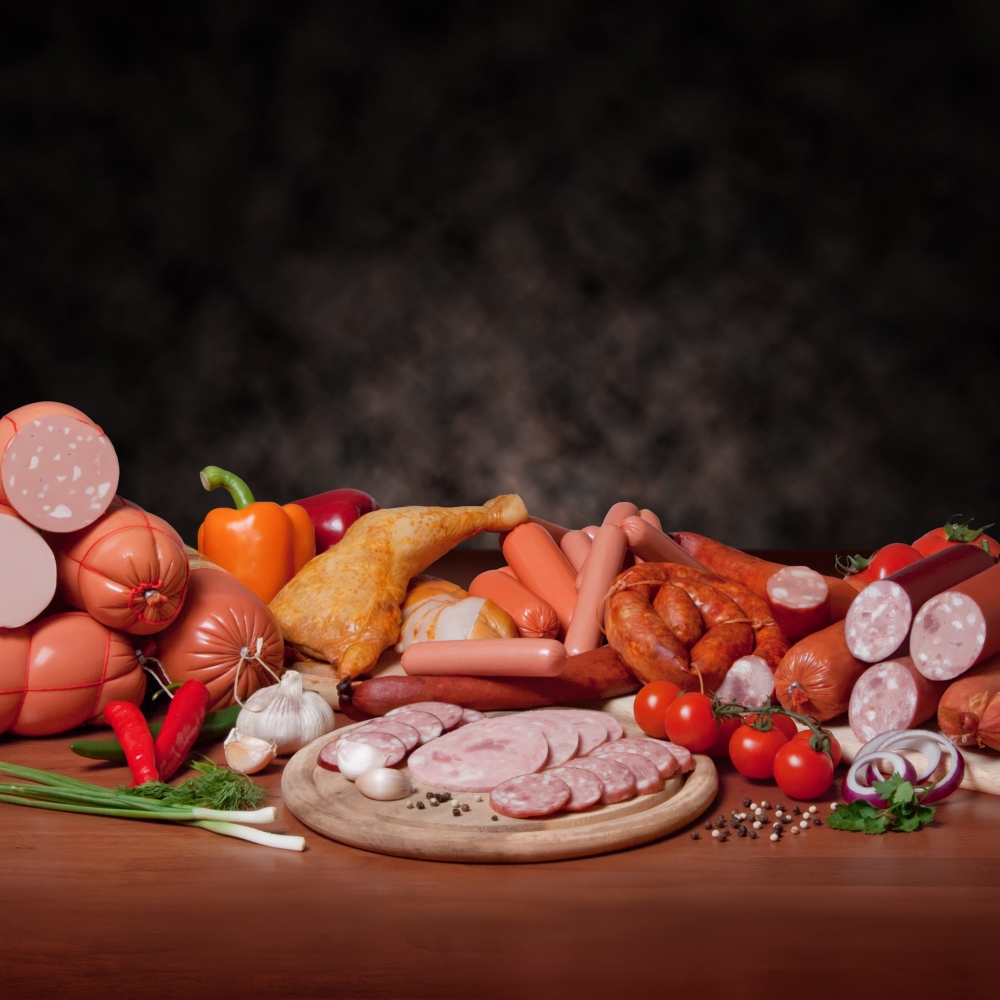
- เนื้อสัตว์แปรรูปต่าง ๆ เช่น ไส้กรอก กุนเชียง หมูยอ
- ไขมันจากพืชบางชนิด เช่น น้ำมันมะพร้าว น้ำมันปาล์ม กะทิ
- อาหารฟาสต์ฟู้ด ขนมอบ ไอศครีม เนย ครีม วิปปิ้งครีม
- อาหารคอเลสเตอรอลสูงบางชนิด เช่น เครื่องในสัตว์ อาหารทะเล เช่น หอย ปลาหมึก เป็นต้น
ดังนั้น การรักษาระดับคอเลสเตอรอลทั้งสองชนิดให้อยู่ในระดับที่เหมาะสม เป็นสิ่งสำคัญเพื่อรักษาร่างกายให้แข็งแรง เพียงแค่ปรับเปลี่ยนการรับประทานอาหาร เน้นผักผลไม้ ธัญพืชไม่ขัดสี และโปรตีนไขมันต่ำจากแหล่งที่หลากหลาย โดยเฉพาะปลาและถั่วต่าง ๆ ใช้น้ำมันที่เหมาะสม เช่น น้ำมันมะกอก น้ำมันดอกคาโนล่า หลีกเลี่ยงการสูบบุหรี่และดื่มแอลกอฮอล์ และที่สำคัญคือ ออกกำลังกายอย่างสม่ำเสมอ สัปดาห์ละ 5 ครั้ง อย่างน้อย 30 นาทีต่อวัน
สำหรับผู้ที่มีปริมาณไขมันเกินเกณฑ์ที่กำหนดสามารถวางแผนร่วมกับแพทย์และทีมงาน Weight Management & Lifestyle Medicine ในการดูแลรักษาความเสี่ยงต่อการเกิดโรคเริ้อรังได้อย่างเหมาะสมกับสุขภาพร่างกายของแต่ละบุคคลต่อไป
Reference
- Cholesterol Levels: What You Need to Know. https://medlineplus.gov/cholesterollevelswhatyouneedtoknow.html
- Cholesterol Myths and Facts. https://www.cdc.gov/cholesterol/myths_facts.htm
- Cholesterol – healthy eating tips. https://www.betterhealth.vic.gov.au/health/conditionsandtreatments/cholesterol-healthy-eating-tips