

 Appointment
"Orange: An auspicious fruit to welcome the Chinese New Year"
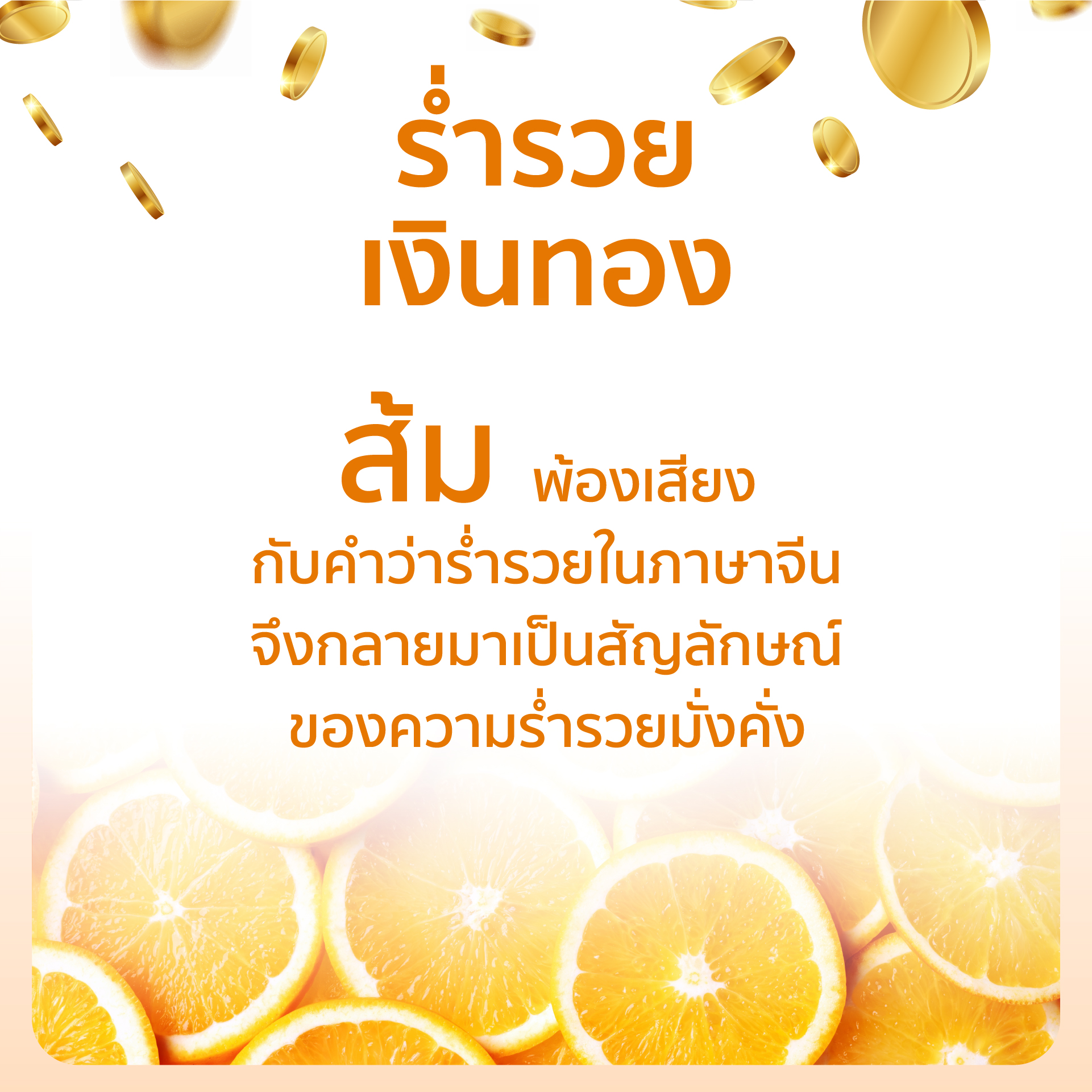
Oranges are considered an auspicious fruit because in Chinese they sound similar to the word "riches", so "oranges" are given to each other during this important festival as a sign of happiness, prosperity and progress.
Chinese New Year 2025
"Orange: An auspicious fruit to welcome the Chinese New Year"
When it comes to the Chinese New Year, oranges are considered an auspicious fruit, since in Chinese they sound similar to the word "riches", so "oranges" are given to each other during this important festival as a sign of happiness, prosperity and progress.
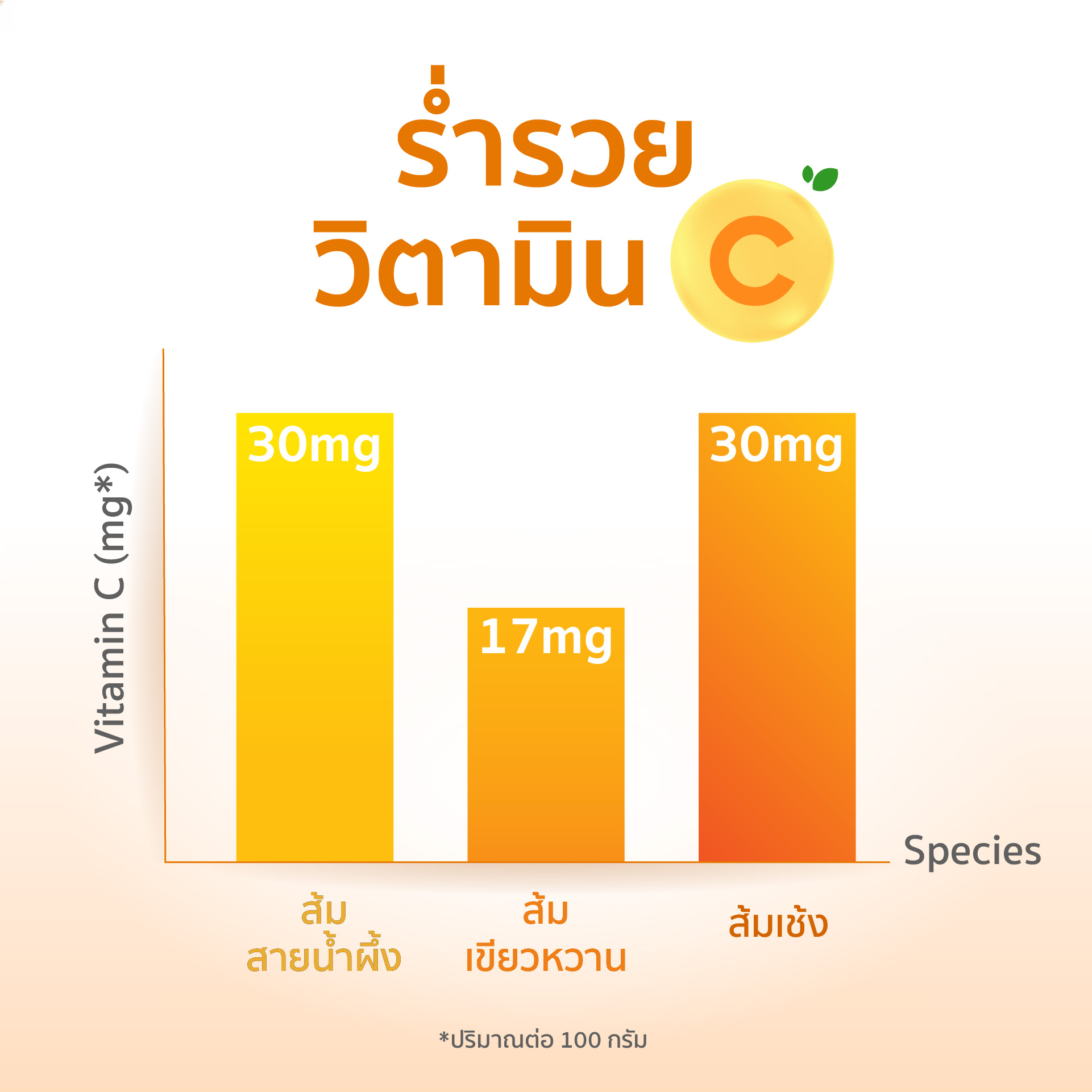
Citrus sinensis It is a fruit rich in many vitamins, especially vitamin C, which plays an important role in antioxidants. Strengthen the immune system, nourish the skin, blood vessels, bones and cartilage, and help wounds heal faster. Compared to the weight of 100 grams, You will find that:
-
Honeysuckle orange contains 30 milligrams of vitamin C.
-
Tangerine contains 17 mg of vitamin C.
-
Orange has a vitamin C content of 30 milligrams.
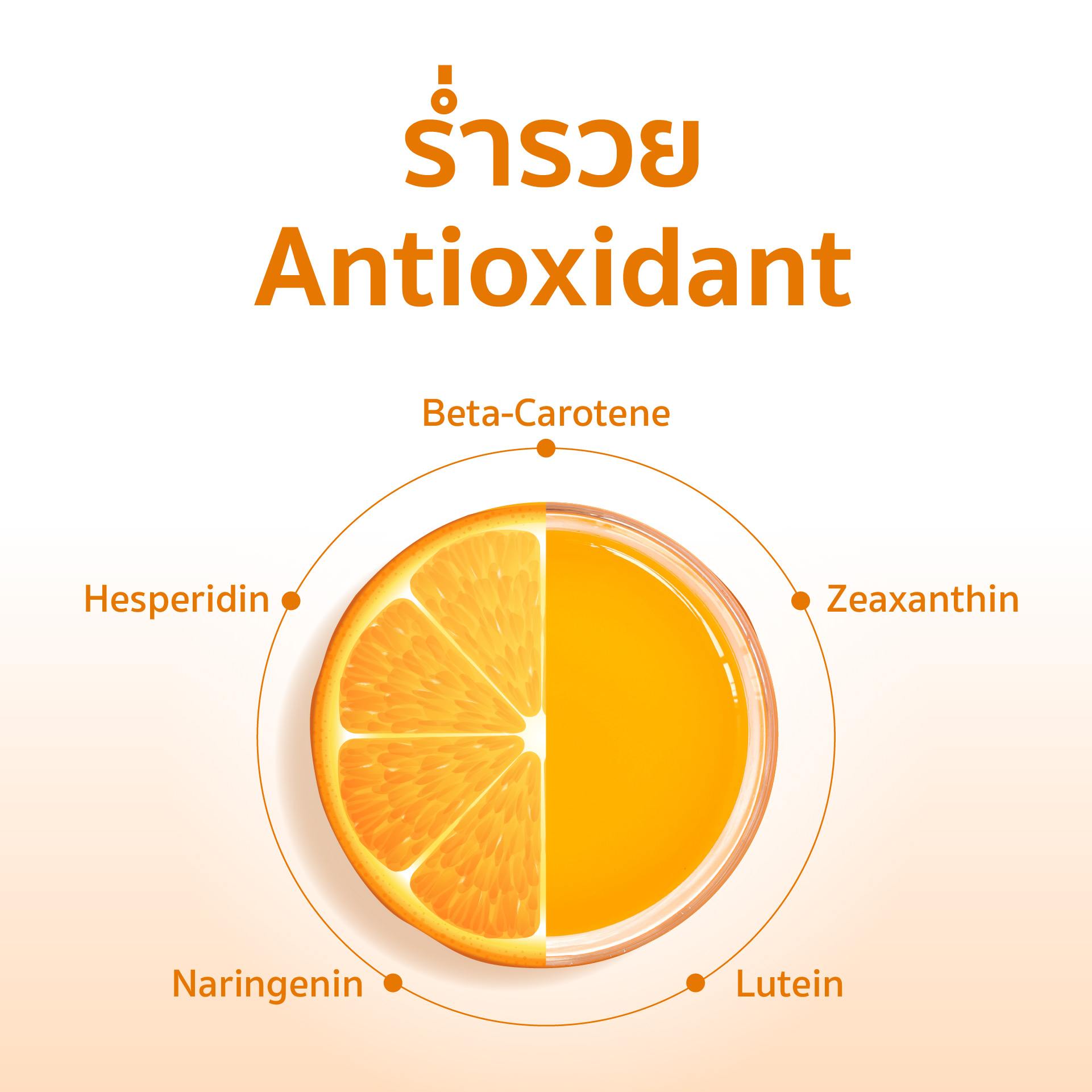
In addition, there are a variety of phytochemicals in oranges, including flavonoids, such as:
Hesperidin, Naringenin, carotenoids such as beta-carotene, lutein, and zeaxanthin, etc., these important substances play an important role in antioxidants. It can also reduce inflammation that occurs inside cells.
However, eating large amounts of oranges can cause us to get more energy than our body needs. It affects body weight and blood sugar levels, especially in people with diabetes.
This Chinese New Year 2025, oranges are a fruit that has a meaning related to the traditions of the Chinese people. Because in addition to being a symbol of wealth and fortune, it is also a symbol of health wealth and good nutritional value for the body.
During this Lunar New Year, we would like to share the care for the health around us like oranges. Throughout this year.
Reference List
-
Kunchit Judprasong, Prapasri Puwastien, Nipa Rojroongwasinkul, Anadi Nitithamyong, Piyanut Sridonpai, Amnat Somjai. Institute of Nutrition, Mahidol University (2015). Thai Food Composition Database, Online version 2, September 2018, Thailand. http://inmu2.mahidol.ac.th/thaifcd
-
Zahr S, Zahr R, El Hajj R, Khalil M. Phytochemistry and biological activities of Citrus sinensis and Citrus limon: an update. Journal of Herbal Medicine. 2023;41:100737.
-
Kubala J, Arnarson A. Oranges: Nutrients, Benefits, Juice, and More [Internet]. Healthline; 2021 Nov 16; [updated 2023 Apr 20; cited 2024 Dec 1]. Available from: https://www.healthline.com/nutrition/oranges