

 Appointment
DEXA Scan
When it comes to assessing body weight and composition, it's important not to judge by appearances alone.
DEXA Scan
When it comes to assessing body weight and composition, it's important not to judge by appearances alone.
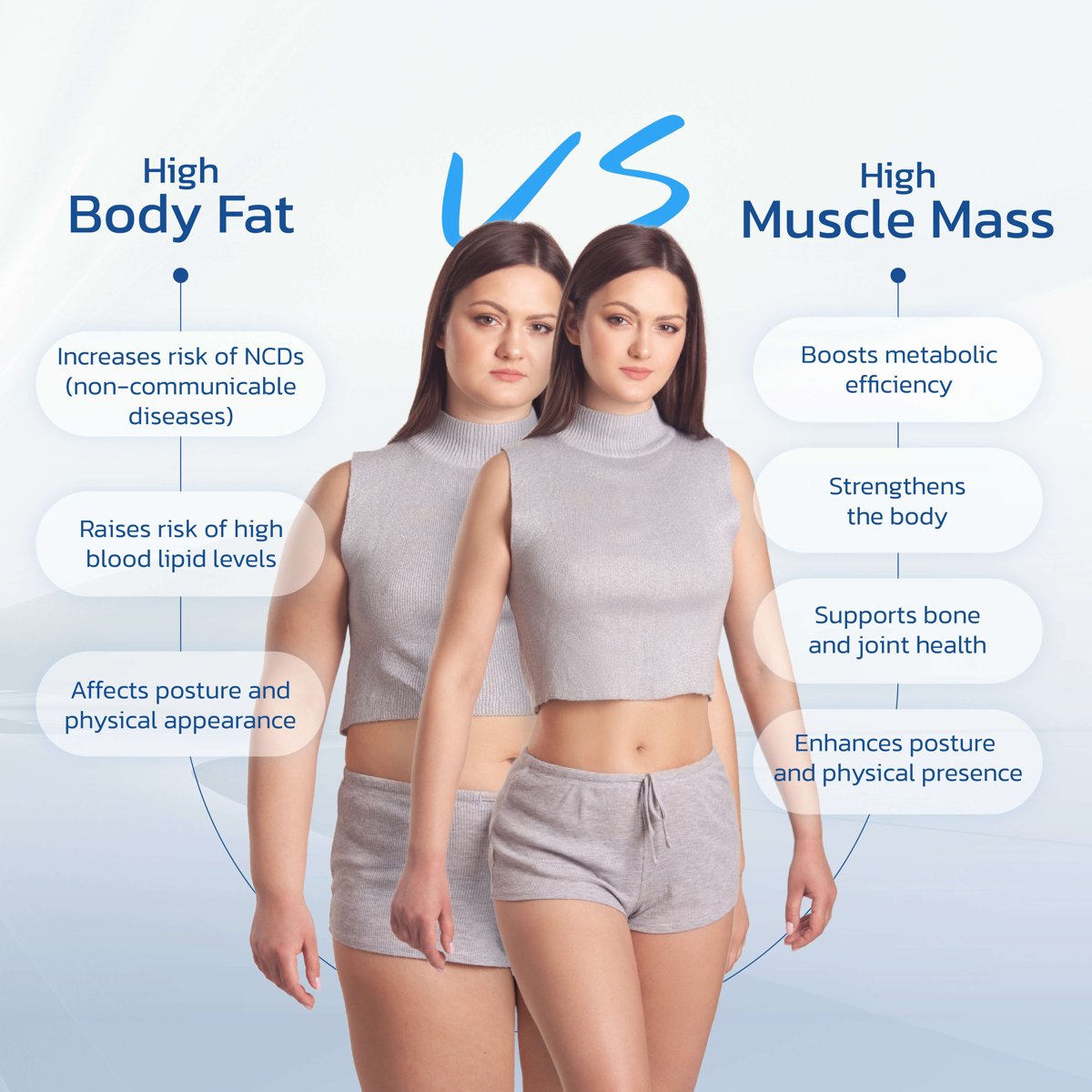
Have you ever wondered why people with the same weight and height can look completely different? Some appear lean and toned, while others may carry more body fat despite being “thin”. This is because body weight alone doesn’t reflect what your body is actually made of.
The body’s main components are bones, fat, and muscles, with each present in different proportions depending on gender, age, and lifestyle. Women naturally have a higher proportion of body fat, while men typically have more muscle mass.
A DEXA (Dual-Energy X-ray Absorptiometry) scan goes beyond the scale to reveal the precise amounts of muscle, fat, and bone in your body, giving you a much clearer picture of your health.
In some cases, individuals who appear slim may still have a high body fat percentage (over 32% for women and 28% for men) combined with low muscle mass, a condition often referred to as “skinny fat”. This is often linked to low physical activity and poor dietary habits, and may increase the risk of chronic conditions over time.
Why BMI Is Not Always an Accurate Health Indicator

For decades, Body Mass Index (BMI) has been used as a standard measure of health. However, it has clear limitations.
BMI is calculated using only a person’s height and weight. It does not differentiate between fat, muscle, and bone. This means:
- A muscular individual may be classified as overweight
- A person with low muscle and high body fat may appear “healthy”
- Differences in age, gender, and body composition are overlooked
BMI also cannot detect visceral fat, the type of fat stored around internal organs that is strongly linked to chronic diseases such as diabetes, heart disease, and metabolic syndrome. Because of this, BMI often provides an incomplete and sometimes misleading picture of health. A DEXA scan offers a more detailed assessment and can also be used to track changes in body composition over time, whether your goal is to reduce fat, build muscle, or improve overall health.
How Does a DEXA Scan Work?
A DEXA scan is a medical imaging technique that uses low-dose X-rays to measure body composition.
During the scan, the machine passes over your body and differentiates between bone, fat, and lean tissue based on how each absorbs X-rays. The result is a highly accurate breakdown of your body composition.
The scan is a quick, non-invasive procedure and requires minimal preparation. To ensure accuracy:
- Stay well hydrated
- Avoid eating for at least 3 hours before the scan
- Remove metal objects such as jewelry or watches
- Wear light clothing
The radiation exposure is extremely low, making it a safe and widely used method in clinical settings.

DEXA Scan Benefits
A DEXA scan offers several advantages compared to traditional methods like scales or BMI.
Accurate and detailed analysis
It measures fat, muscle, and bone density with a high level of precision, providing a complete picture of your body composition.
Detection of visceral fat
DEXA can identify internal abdominal fat that increases the risk of chronic diseases, even in individuals with a normal weight.
Track real progress over time
Whether your goal is fat loss, muscle gain, or improved fitness, DEXA allows you to monitor meaningful changes, not just fluctuations in weight.
Supports healthy aging
Tracking muscle mass helps detect early signs of sarcopenia (age-related muscle loss), while bone density measurements provide insight into fracture risk and long-term mobility.
Quick, painless, and safe
The procedure is non-invasive, takes only a few minutes, and involves minimal radiation exposure.
Understanding Your Results
After your scan, you will receive a detailed, multi-page body composition report. This provides far more insight than a single number on the scale.
Key metrics include:
This data allows for more informed decisions around nutrition, exercise, and overall health planning. It also provides a reliable baseline to track progress over time.
Who Should Get a DEXA Body Composition Scan?
A DEXA scan is suitable for anyone who wants a deeper understanding of their health beyond weight alone.
It is particularly useful for:
- Individuals who want to look beyond the scales to monitor muscle mass, body fat and bone density
- Those with a normal weight but potential hidden body fat (“skinny fat”)
- People focused on improving fitness or body composition
- Anyone tracking progress from exercise or nutrition programs
- Individuals concerned about long-term health and disease prevention
By focusing on body composition rather than just weight or BMI, you gain a more accurate and actionable view of your health.

Frequently Asked Questions (FAQs)
How long does a DEXA scan take?
A full-body DEXA scan typically takes 10 to 20 minutes. You’ll lie on a scanning table while a radiographer positions your body. A scanning arm then passes over your entire body to capture detailed images of fat, muscle, and bone.
How accurate is a DEXA scan for body fat?
DEXA is considered one of the most accurate methods available for measuring body fat.
Unlike BMI or handheld devices, it measures fat directly and shows how it is distributed across your body, including visceral fat around the abdomen. This level of detail matters because fat distribution is closely linked to health risks. DEXA also allows you to track changes over time with consistency, making it ideal for monitoring fat loss, muscle gain, and overall progress.
How should I prepare for my DEXA scan test?
Getting a DEXA scan requires only minimal preparation. To ensure accurate results, follow these simple guidelines:
- Avoid eating for at least 3 hours before the scan
- Do not take calcium supplements for 24 hours prior
- Avoid clothing or accessories with metal (zippers, jewelry, buttons)
- Stay well hydrated
- Avoid heavy exercise immediately before the scan
- Inform your provider if you’ve had a contrast dye or barium test in the past 2 weeks
Always follow any specific instructions provided by the clinic.
What should I wear for a DEXA scan?
Wear light, loose-fitting clothing on the day of your scan. Avoid tight or restrictive materials such as Lycra, and remove any items containing metal, as these can interfere with the scan.
Does a DEXA scan have side effects?
DEXA scans are very safe. They use a low level of radiation, and there are no side effects or recovery time. You can resume normal activities immediately after the scan.
Who should not have a DEXA scan?
DEXA scans are not recommended for pregnant women due to the use of low-dose X-rays.
For more information, please contact
Tel. 02-826-9999 · LINE: @BDMSWellnessClinic · Mon–Fri 7:00–20:00 · Sat–Sun 7:00–17:00